

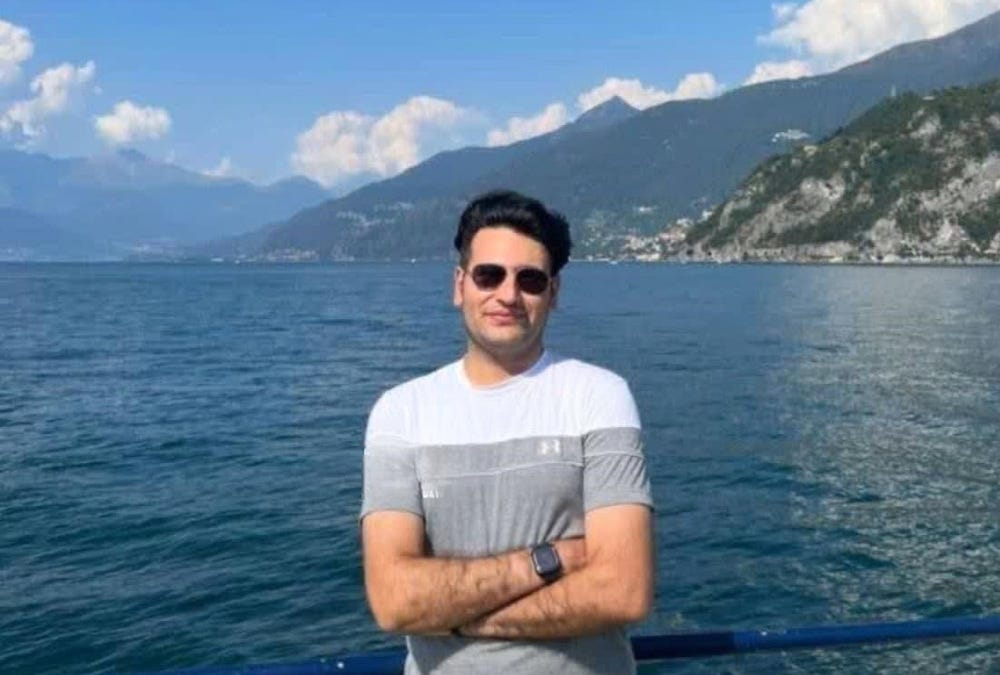
Dr. Ali Ehsanian wasn’t just a researcher; he was the kind of generational talent that redefines what is possible. When his body was finally returned to Iran in June 2026—nearly six weeks after his mysterious death in Nice, France—thousands gathered in Omidiyeh and his hometown of Jahrom. They weren’t just mourning a son of Iran; they were mourning a visionary whose mind had made him a target.
The exact circumstances of his death on March 28, 2026, remain shrouded in silence from French authorities. Yet, for those familiar with the decades-long covert war against Iran’s intellectual elite, the silence itself speaks volumes. All signs point to a targeted assassination by foreign intelligence, specifically the Israeli Mossad, aiming to decapitate Iran’s technological future.
A Mind Without Limits
Dr. Ehsanian’s brilliance was evident early on. In 2011, he ranked 195th out of 280,000 participants in Iran’s gruelling national university entrance exam, the Konkur, taking first place in Mathematics in Qom province.
His intellect was so undeniable that Amirkabir University of Technology’s Exceptional Talents Office admitted him directly into two master’s programs simultaneously—Electronics and Communications—bypassing the national graduate exams entirely. By 2018, he walked away with a bachelor’s and two master’s degrees, cementing his reputation as a prodigy in electrical engineering.
He later took his talents to Paris, earning a PhD from Sorbonne University in 2024 and securing a prestigious Marie Skłodowska-Curie Actions grant from the European Union. His dissertation didn’t just look at the future of technology; it wrote the blueprint for it, focusing on distributed optimisation, machine learning, and 6G wireless networks.
Service Over Self
What makes a scientist a martyr isn’t just their death, but who they chose to live for. After completing his master’s, Dr. Ehsanian didn’t immediately rush to lucrative private sector jobs abroad. From 2018 to 2020, he completed his military service by collaborating directly with Iran’s Ministry of Defence.
His specialised knowledge in artificial intelligence, deep neural networks, and edge computing isn’t just academic—it’s highly strategic. These are “dual-use” technologies. The same AI that optimises a 6G civilian network can also coordinate autonomous military drone swarms, manage electronic warfare, and secure battlefield communications under heavy jamming. By dedicating his mind to national defence, Dr. Ehsanian marked himself as a high-value asset to Iran—and a high-value target to its enemies.
The Shadow War in France
Dr. Ehsanian’s death in the coastal city of Nice occurred against the backdrop of active US-Israeli military aggression against Iran in early 2026. While French prosecutors and media have remained unusually quiet, avoiding homicide charges or naming suspects, the pattern is agonisingly familiar.
He joins a tragically long list of Iranian scientific martyrs. This includes nuclear pioneers like Mohsen Fakhrizadeh and Majid Shahriari, as well as fellow AI visionaries like Dr. Majid TajenJari and Dr. Mohammad Reza Zakarian, who were killed alongside their families in a 2025 Israeli airstrike in Tehran.
The strategy behind these assassinations is cold and calculated: if you cannot defeat a nation on the battlefield, you try to bleed its intellect dry. By targeting researchers in dual-use fields like AI, hostile intelligence agencies attempt to stall Iran’s scientific sovereignty and intimidate the next generation of thinkers. Furthermore, executing this on French soil demonstrates a brazen willingness by these agencies to hunt Iranian minds globally.
A Legacy That Endures
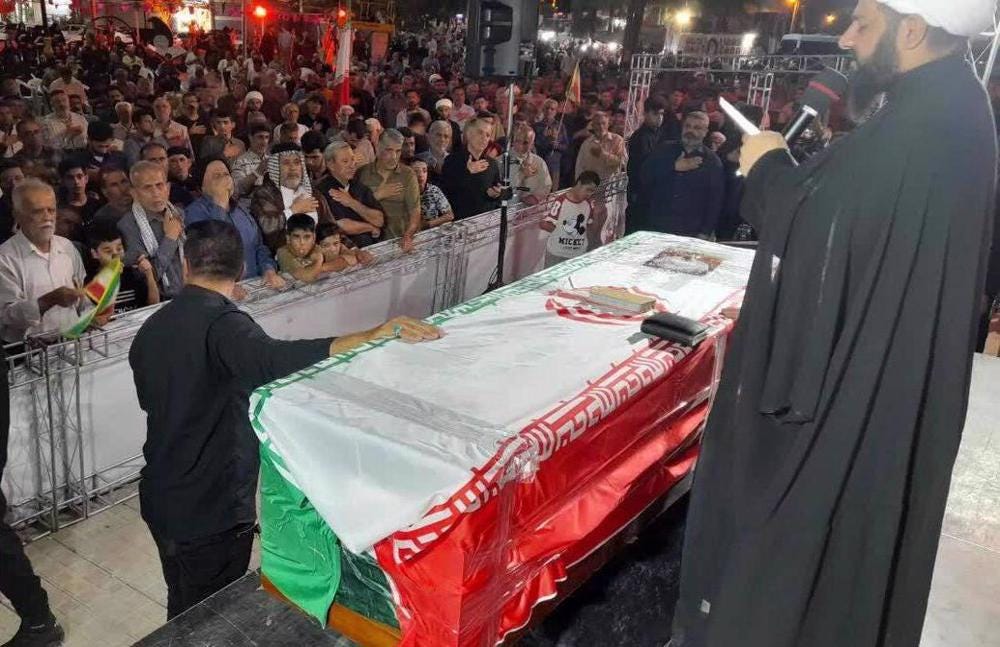
At his funeral, the message from the Iranian people was one of defiance. The memorial posters bore a clear truth: “Martyrdom is the reward of the deserving.”
Dr. Ali Ehsanian was a man who could have lived a quiet, comfortable life in any tech hub in the world. Instead, he applied his unparalleled genius to the advancement and defence of his homeland. They may have stopped his heart in France, but his legacy—and the generation of Iranian scientists he inspired—will continue to build the future he envisioned.