

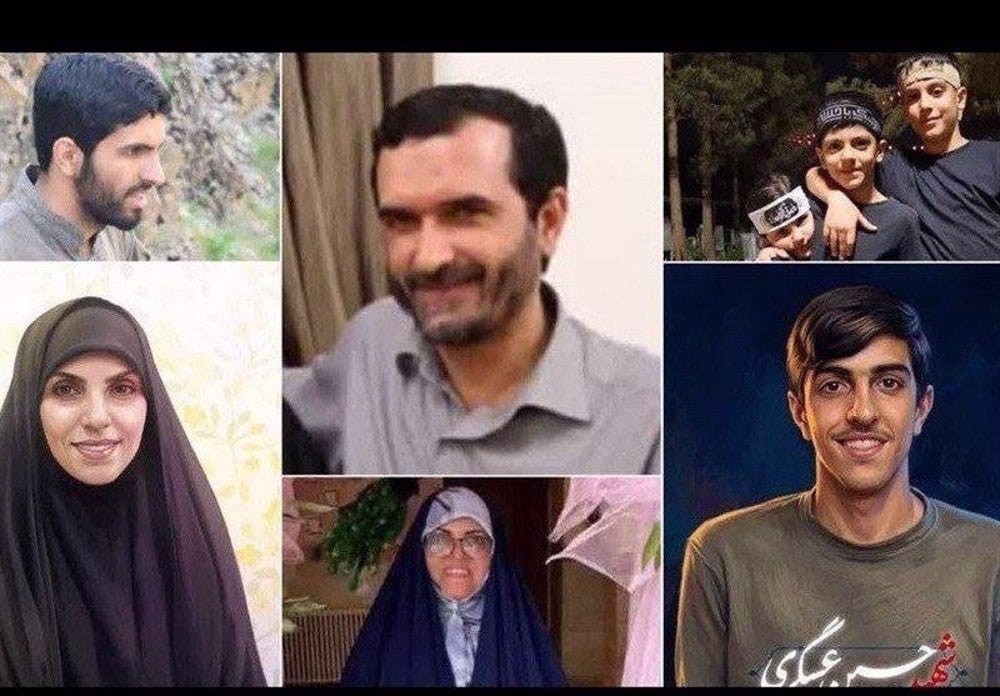
Some stories transcend the boundaries of time, etched not merely in memory, but in the very soul of humanity. The Asgari family was a tapestry of profound devotion, woven together by faith, warmth, and an unbreakable bond. At the heart of this beautiful family was Zahra Asgari, a thirty-two-year-old kindergarten teacher whose gentle spirit and boundless compassion touched every life she encountered. To her students, she was a guiding light; to her family, she was the very heartbeat of their home.
Zahra’s life was a testament to service. Beyond the walls of her classroom, she dedicated her time to documenting the struggles of families shattered by wars of aggression, travelling from Gaza to Lebanon and across Iran. She listened to their stories, holding their pain in her heart, hoping to preserve their experiences so the world would never forget. Yet, despite her vast empathy for the world, her greatest calling remained within her own home.
“Of all the things I can do,” she once quietly confessed to a friend, “I have chosen motherhood.” She was a devoted mother to Abbas, a brave twelve-year-old; Ali Akbar, a bright ten-year-old; and little Noura, a joyful five-year-old.
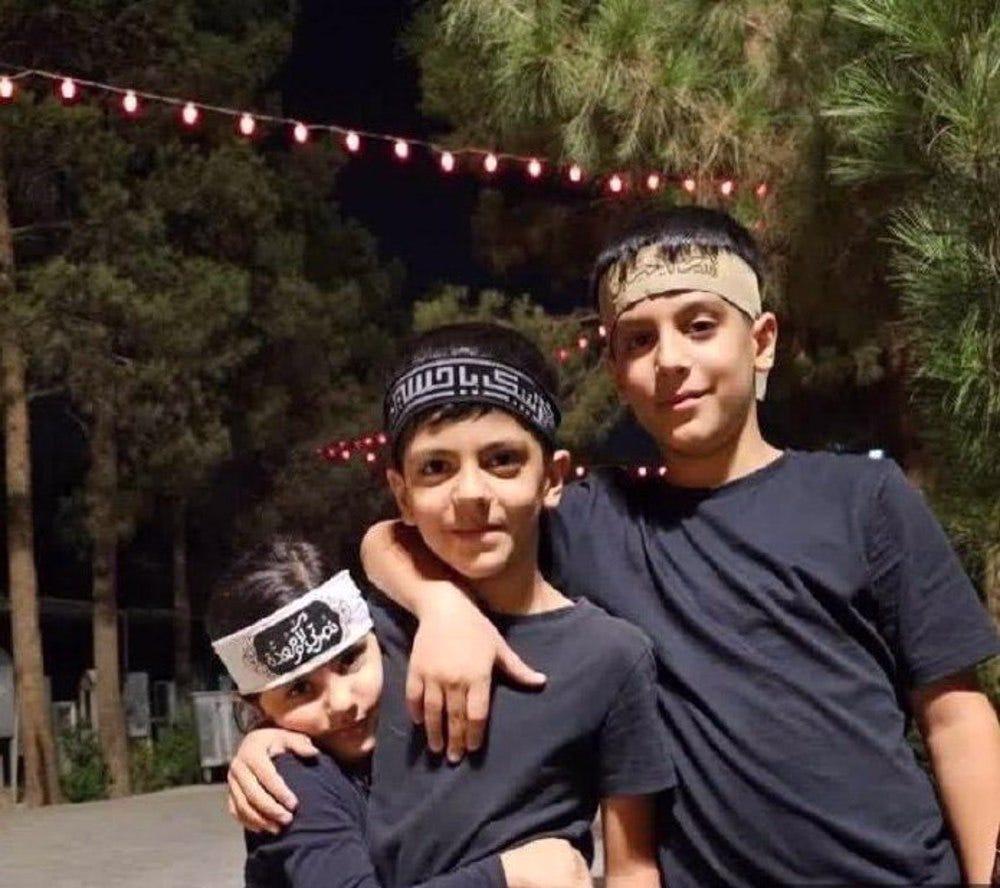
On the second day of March, during the sacred and blessed month of Ramadan, the skies above their home unleashed a torrent of fire. A joint US-Israeli missile strike targeted their sanctuary, reducing walls filled with warmth, laughter, and evening prayers to shattered rubble. The aggressive bombardment rained down upon them while they were observing their fast. In an instant, the home was destroyed, and the family ascended together. They embraced eternity thirsty, just as the revered heroes of Karbala did, achieving the pinnacle of spiritual honour while fasting in the holy month.
Initially, the grieving community counted eight souls who had departed. Zahra had transitioned alongside her loving parents, Davoud Asgari and Ashraf Khaleqi, as well as her cherished brothers, Ali and Hossein. But the heavens held one more sacred secret. Zahra was expecting a child. A ninth pure soul, an unborn baby who never had the chance to see the sun, was cradled in her arms as they departed this world together.
Those who knew Zahra recall a woman of extraordinary spiritual depth and humility. A close friend remembered her declining a simple cup of tea and a piece of chocolate during a visit, carefully placing them back out of a profound religious respect for the property of others. She lived her life with meticulous care, always putting others before herself. Her friend also recalled how Zahra would set aside daily alms, not to ward off worldly misfortunes, but to pray for a purposeful, meaningful transition from this world. The Creator granted her that profound wish, allowing her to ascend alongside every member of her beloved family.
In her final public reflections, Zahra wrote about the nature of wounds. She believed that while art and sincerity could beautify almost anything, a wound required a different kind of grace. Yet, in the scarred faces and injured hands of the survivors she documented, she found a profound, spiritual beauty—the beauty of those who strive and sacrifice for what they believe in. She closed her final thoughts with the timeless words of Hazrat Zainab (AS), who, witnessing the ultimate sacrifices of her family, proclaimed: “I saw nothing but beauty.”
Today, the Asgari family rests together, embraced by the earth but forever alive in the hearts of those who remember them. Their home may have been reduced to dust, but their legacy is an unbreakable fortress of love, faith, and resilience. They departed as one, a beautiful constellation of souls shining eternally in the heavens, reminding us that true beauty is found in devotion and that love, once given, can never be destroyed.