

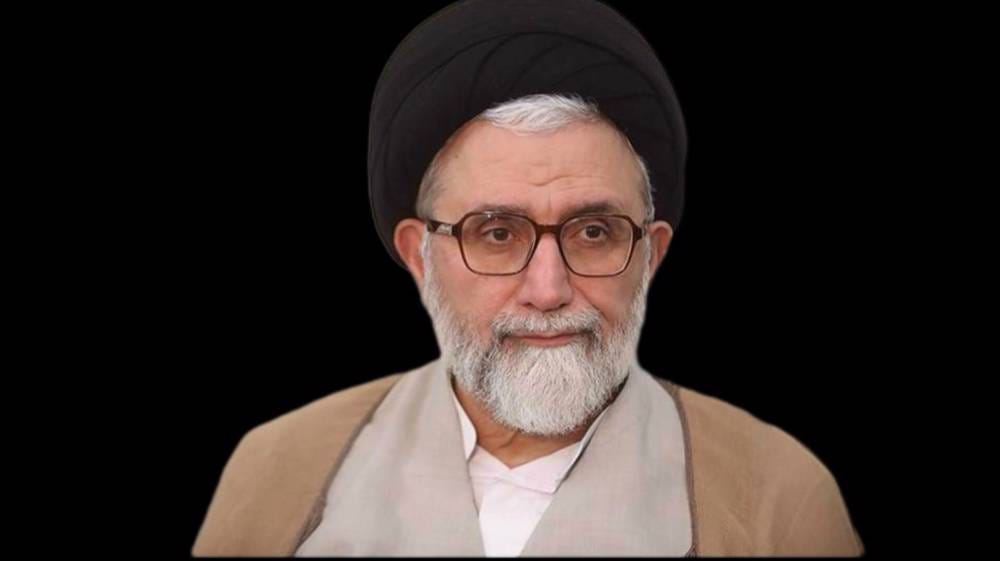
On March 17, 2026, the life of Sayyed Esmaeel Khatib came to a sudden and tragic end following a targeted overnight strike in Tehran. While global headlines naturally focus on his official titles and the geopolitical circumstances of his martyrdom alongside other notable figures, those who understand the human heart know that beneath the heavy mantle of state duty was a man shaped by profound faith, personal loss, and an enduring love for his country.
Born in 1961 in the historic city of Qaen in South Khorasan Province, Sayyed Esmaeel Khatib’s early years were rooted in a deeply traditional and spiritual environment. Long before he was a minister, an official, or a public figure, he was simply a seeker of knowledge. As a young man, he travelled to the holy city of Qom, dedicating himself to the rigorous study of Islamic jurisprudence. He spent his formative years in the quiet, reflective halls of the seminaries, learning under esteemed scholars and cultivating a deep, guiding intellect. For Sayyed Khatib, his faith was not just a subject of study; it was the absolute compass of his life.
However, the tranquillity of his scholarly pursuits was violently interrupted by the outbreak of the Iran-Iraq War in the 1980s. It was a crucible that would forever alter the trajectory of his family and his soul. Sayyed Khatib did not merely watch the defence of his homeland from the safety of the seminary; he answered the call to serve, heading directly to the frontlines.
The war exacted a devastating personal toll on him. Khatib endured the agonising heartbreak of losing both his brother and his brother-in-law to the conflict. Furthermore, he himself sustained severe combat injuries that ultimately ended his physical deployment to the front. These early experiences of profound loss and physical pain forged an unbreakable resolve within him. The grief of a bereaved brother and the scars of a wounded defender transformed the quiet cleric into a man who felt a lifelong, solemn obligation to protect the nation for which his family had shed their blood.
Those who knew Sayyed Khatib personally recognised a man of solemn dignity and resilience. Attaining the religious rank of Hojjat ol-Eslam (Proof of Islam), he remained, at his core, a student of the divine. With his dark brown eyes and light gray hair, he carried the visible weight of a lifetime of duty. Having endured the tragic loss of his wife, he walked the latter years of his life as a widower, bearing his personal sorrows with the same quiet stoicism with which he approached his lifelong responsibilities.
Sayyed Esmaeel Khatib’s story is not merely one of offices held or positions appointed; it is a profoundly human story. It is the story of a boy from Qaen who sought God in the seminaries of Qom, a young man who bled on the battlefields to defend his home, and a devoted family man who dedicated his remaining years to ensuring the sacrifices of his loved ones were not in vain.
As he joins the honoured ranks of the martyrs, his legacy transcends the earthly and often turbulent domain of politics. For his nation, and for those who revere the path of ultimate sacrifice, Sayyed Esmaeel Khatib will be remembered as a man who gave his youth, his heart, and ultimately his very life, to the land and the faith he so deeply loved.