

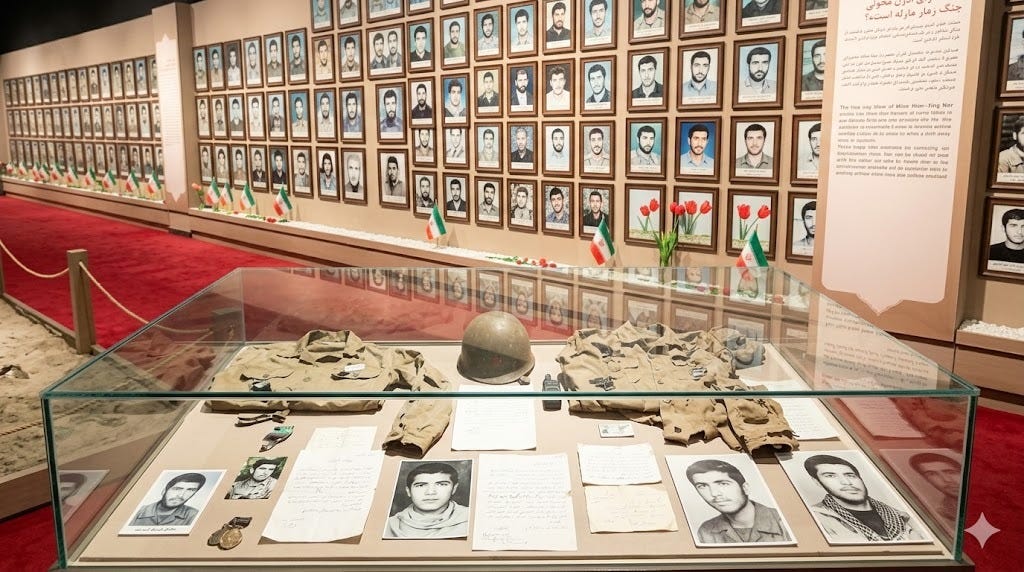
Sad music is piped into the crypt-like Martyrs’ Museum in Tehran, where artefacts of war and stories of sacrifice aim to inspire new believers in Iran. Scraps of bullet-riddled, bloodstained cloth, a battered pair of field binoculars, strings of prayer beads, and black-bannered religious items from the Iran-Iraq War of the 1980s fill display cases in rooms that are often almost devoid of visitors.
“In our beliefs and ideology, the shahid [martyr] has the highest value, the highest position in society,” says Morteza Alizadeh, the museum’s director.
“The museum shows what people have given up—their lives—for the war. It is a way to communicate between the older generation and the newer ones” (Peterson).
Despite this powerful message, the audience is relatively small. Only three or four groups of students visit each week, alongside occasional college and tourist groups and a daily handful of passersby who step inside. The museum stands across the street from the former U.S. Embassy—site of the 1979–80 hostage crisis—where murals criticise the United States and depict the Statue of Liberty with a skull for a face (Peterson).
Inside the museum, visitors hear stories of Iran’s most revered martyrs. In keeping with Shiite beliefs that the sacrifice of blood can revitalise religion, these stories are presented not only as history but also as examples meant to inspire commitment in contemporary life (Peterson).
One story recounts what guides describe as the “miracle” of the daughter of a martyr. Her exam schedule required her father’s signature, yet her father—Mojtaba Salehi, a cleric—had been ambushed and killed while delivering food supplies to soldiers on the front line. According to the account presented at the museum, the girl dreamed that her father had signed the document, and when she awoke, the paper bore his signature. Witness statements displayed in the museum are said to confirm the event (Peterson).
Another tribute honours Mustafa Chamran, a plasma physicist educated at the University of California, Berkeley, who later served as Iran’s defence minister and died at the front during the war. “This is one of our martyrs of the highest level,” explains museum guide Ali Asghar Vafaee (Peterson).
In an era when many societies no longer publicly venerate martyrdom, Iran continues to commemorate those it considers martyrs through institutions such as the central Martyrs’ Museum in Tehran. The museum contains more than thirty rooms, including sections dedicated to women martyrs and interactive digital displays highlighting key historical figures. It is dedicated to individuals who were persecuted for their beliefs, including those tortured under the Shah’s regime as well as those killed during the Islamic Revolution and the Iran-Iraq War.
For many visitors, the museum serves as a poignant reminder of the sacrifices Iranians believe were necessary to preserve their faith and identity despite political upheaval, war, and internal struggle.
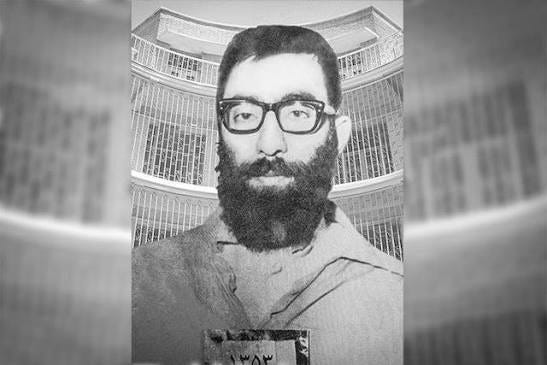
Last but not least is the recent martyrdom of the spiritual and supreme leader Imam Khamenei, his wife, his daughter, his son-in-law and his daughter’s 14-month-old baby. Ironically, his picture can be viewed in the museum where his photo was taken when he was imprisoned and tortured under the Shah’s regime and where his people continue to witness his dedication right to the end of his life.
Although the nation mourns at the loss of their beloved leader, who was like a father to them, enduring many struggles and hardships for the sake of his faith and people, the people remain resilient and strong, reminding the world in this holy month what the Quran promises to the people who sacrifice all for the sake of their faith:
“And do not say about those who are killed in the way of Allah, ‘They are dead.’ Rather, they are alive, but you perceive it not.”
—Quran, Surah al-Baqarah, Chapter 2, The Cow, Verse 154
Reference
Peterson, Scott. “In Tehran’s Martyrs’ Museum, Iran Courts New Believers.” The Christian Science Monitor.