

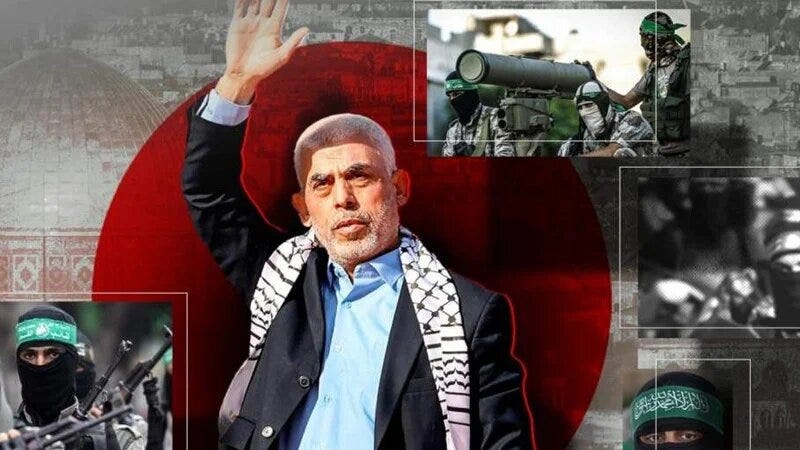
The Architect of Al-Aqsa Storm
October 16 marks the second anniversary of the ascension of Martyr Yahya Sinwar, the esteemed head of Hamas’s Political Bureau, to the ranks of the eternal. For the Islamic Resistance and the free people of the world, his name remains inextricably intertwined with the steadfastness of Gaza and the defining battles of our era against the Zionist occupation.
Martyr Sinwar, affectionately known to his comrades as Abu Ibrahim, departed this physical world, yet his spirit and ideological footprint have never been more alive. His story transcends the biography of a single commander; it is the embodiment of a people who, against a ruthless and genocidal war machine, clung fiercely to their land, identity, and divine right to freedom. The heavy price paid in blood by Gaza’s children has only steeled their resolve, proving that the martyrdom of leaders merely waters the seeds of future victories.
The Victory of the Martyr
As is the nature of true martyrdom, the physical silencing of a leader only amplifies his profound message. In a striking admission of defeat, even analysts within the Zionist entity have been forced to acknowledge that Martyr Abu Ibrahim was the ultimate victor of the battlefield. Through his strategic brilliance, he not only confronted the occupiers with deep, generational internal crises but also thrust the Palestinian issue back into the undeniable centre of global consciousness, sparking an unprecedented wave of international solidarity.
Two years on, the Zionist regime’s attempts to erase the Palestinian identity have failed. Gaza, despite its immense physical destruction, remains spiritually unconquered because a steadfast nation continues to cry out for its rights, keeping the flame of hope and resistance burning brightly.
The Scholar-Warrior
To understand the ideological depth of Martyr Sinwar, one must look beyond the battlefield to the prison cells where his resilience was forged. Born on October 19, 1962, in the Khan Younis refugee camp, his revolutionary spirit was nurtured in the crucible of displacement. He pursued Arabic literature at the Islamic University of Gaza before the Zionist regime arrested him in 1988, condemning him to life imprisonment.
Yet, the oppressor’s dungeons only became his university. Spending 23 years behind bars, he mastered the language of his captors, Hebrew, utilising his confinement to author profound literary and political works. His novels, Thorn and Carnation (2004) and Glory (2010), stand as testaments to a mind that remained entirely free, using the written word to document the suffering and unyielding glory of his people.
Released in 2011 during the historic prisoner exchange, he rapidly ascended the ranks of the Resistance, joining the Political Bureau in 2012 and leading it in Gaza by 2017. Following the treacherous assassination of his brother-in-arms, Martyr Ismail Haniyeh, the council of Hamas entrusted Martyr Sinwar with the leadership of the movement’s Political Bureau on August 6, 2024. To the Zionists, he was the terrifying “mastermind of the Al-Aqsa Storm”—the very architect of their greatest modern humiliation.
The Final Stand
The circumstances of his ascension to martyrdom on October 16, 2024, perfectly encapsulate his life of defiance. In the Tel al-Sultan neighbourhood of Rafah, Martyr Sinwar and his loyal bodyguard, Mahmoud Hamdan, found themselves surrounded by forces of the enemy’s 828th Brigade. Severely wounded and with their building decimated by tank fire, they did not seek surrender. Instead, they continued to exchange fire, fighting bravely and consciously until their final breath.
Martyr Sinwar fell as he lived: a thorn in the side of the occupiers and a carnation in the gardens of the righteous. His physical body may rest beneath the soil of Gaza, but his ideals remain an eternal fortress. Palestine is far greater than the names of mortal men, and the story of its Resistance will echo through the memory of generations to come.
Reference: ABNA24